
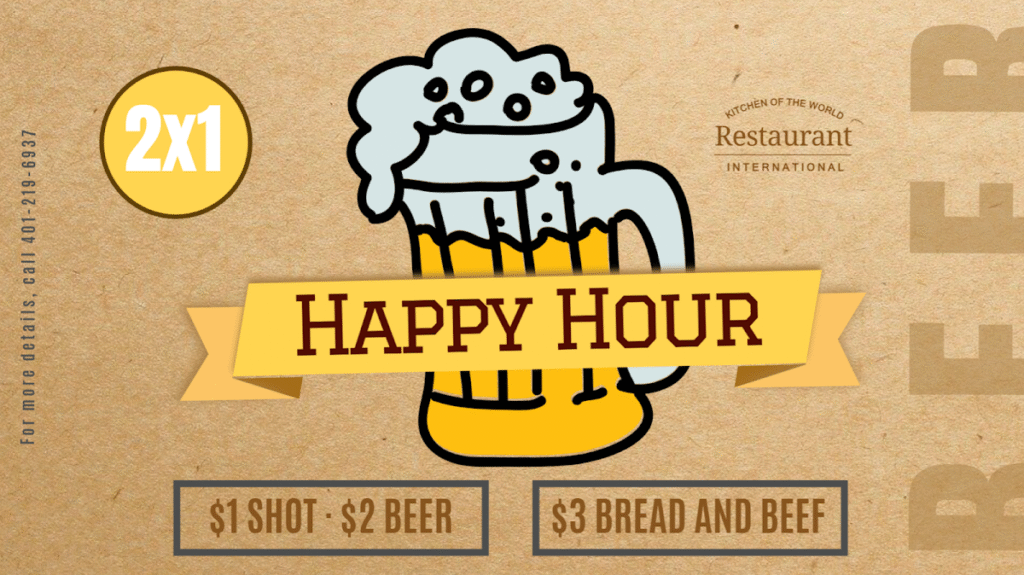
Restaurant owners who switch from static printed menus to digital menu boards report an average sales increase of 15-30%. That’s not marketing hype — it’s the documented result of better visual presentation, strategic menu engineering, and the psychological impact of dynamic, high-resolution food imagery on customer purchasing decisions.
In an industry where margins are tight and competition is fierce, digital menu boards represent one of the highest-ROI investments a restaurant can make. Here’s everything you need to know about how they work, what they cost, and how to maximize their impact on your bottom line.
Why Digital Menu Boards Increase Sales
The science behind digital menu boards is straightforward: people eat with their eyes first. High-resolution images of your best dishes, displayed on bright, dynamic screens, trigger appetite and desire in ways that printed text simply cannot match.
1. Visual Upselling
A printed menu lists “Loaded Nachos — $14.99.” A digital menu board shows a stunning, professionally photographed plate of loaded nachos with melted cheese, fresh jalapeños, and a side of guacamole — with the price displayed alongside. Which one makes you hungrier? Studies show that food images increase order rates for featured items by 20-30%.
2. Strategic Menu Engineering
Digital boards let you control exactly what customers see and when. You can highlight high-margin items, promote daily specials, and adjust featured items based on time of day — breakfast items in the morning, lunch combos at noon, dinner specials in the evening. This level of dynamic control is impossible with printed menus.
3. Reduced Perceived Wait Time
Customers waiting in line spend their time looking at the menu board. Engaging, rotating content keeps them entertained and — more importantly — gives them time to consider add-ons, upgrades, and items they might not have otherwise ordered. Research shows digital displays reduce perceived wait time by up to 35%.
4. Dayparting and Dynamic Pricing
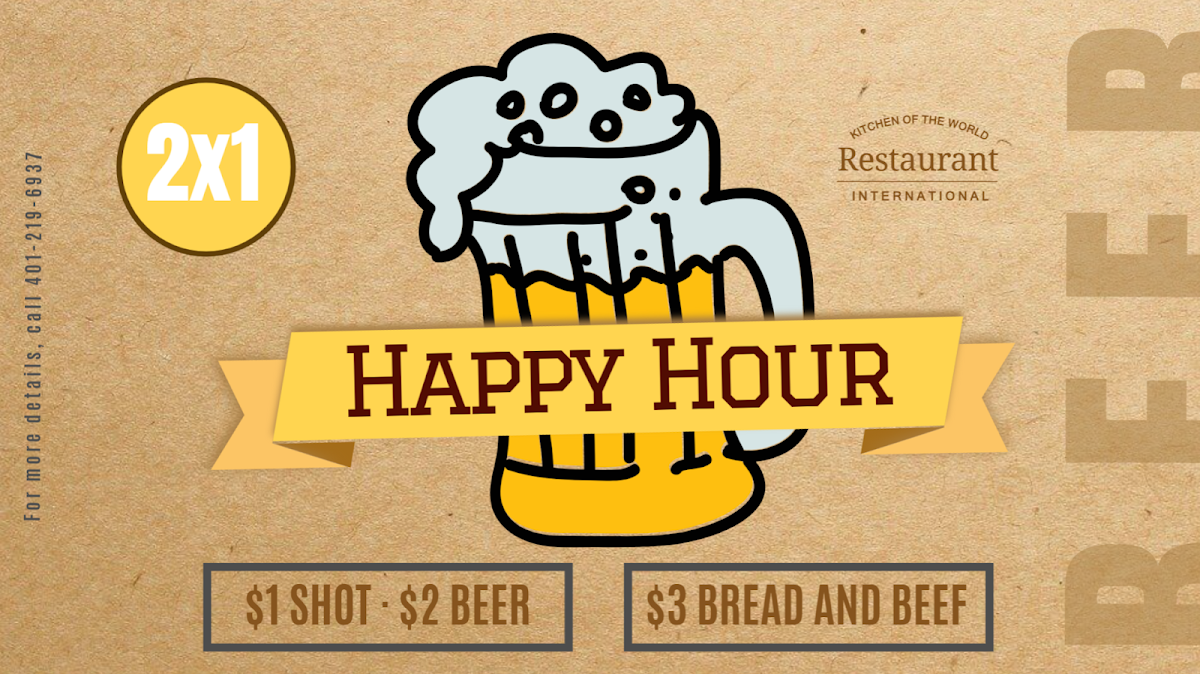
Digital menu boards can automatically switch content based on time of day. Breakfast menu from 6-11am, lunch menu from 11am-3pm, happy hour specials from 3-6pm, dinner menu from 6pm onward. You can even adjust pricing dynamically based on demand — a strategy that major chains use to maximize revenue.
Real ROI Numbers
Let’s look at the actual math for a typical restaurant:
| Scenario | Before Digital | After Digital |
|---|---|---|
| Average ticket size | $12.50 | $15.00 (+20%) |
| Daily transactions | 200 | 210 (+5%) |
| Daily revenue | $2,500 | $3,150 (+26%) |
| Monthly revenue increase | — | +$19,500/month |
| Annual revenue increase | — | +$234,000/year |
With a typical digital menu board investment of $3,000-$8,000 (including design, hardware, and installation), the ROI payback period is usually less than 30 days.
Design Principles That Maximize Sales
Not all digital menu boards are created equal. The design of your menu directly impacts its effectiveness:
- High-quality food photography: Professional photos of your actual dishes — not stock images. Customers can tell the difference.
- Strategic item placement: Place high-margin items in the top-right corner and center of the screen — these are the areas customers look at first.
- Limited choices per screen: Don’t overwhelm customers. 6-8 items per screen with clear categories and easy-to-read pricing.
- Color psychology: Red and yellow stimulate appetite. Green suggests freshness. Use color strategically to guide attention.
- Animation and motion: Subtle animations draw attention to featured items without being distracting. A gentle zoom on a hero dish or a rotating special catches the eye.
- Readable typography: Large, clear fonts that are readable from 10+ feet away. Customers shouldn’t have to squint.
Types of Restaurants That Benefit Most
- Quick-service restaurants (QSR): The biggest impact — customers make ordering decisions while looking at the board
- Cafes and coffee shops: Seasonal drink specials, food pairings, and loyalty program promotions
- Pizzerias: Combo deals, build-your-own options, and daily specials drive higher average tickets
- Bars and breweries: Rotating tap lists, happy hour specials, and food menu integration
- Food trucks: Compact digital displays that are easy to update and eye-catching from a distance
- Delis and bakeries: Daily fresh items, seasonal offerings, and catering menu promotion
Implementation: What to Expect
A professional digital menu board implementation typically includes:
- Consultation and menu analysis — Understanding your menu, margins, and goals
- Professional food photography — Photographing your actual dishes in the best light
- Menu design and layout — Creating the visual design optimized for sales
- Hardware selection and installation — Commercial-grade displays, media players, and mounting
- Content management setup — Easy-to-use system for updating prices, items, and specials
- Training and support — Teaching your team how to manage and update the system
The entire process typically takes 2-3 weeks from consultation to installation.
Ready to Boost Your Restaurant Sales?
Get a free consultation and see how digital menu boards can transform your restaurant’s revenue.